Environmental Impact
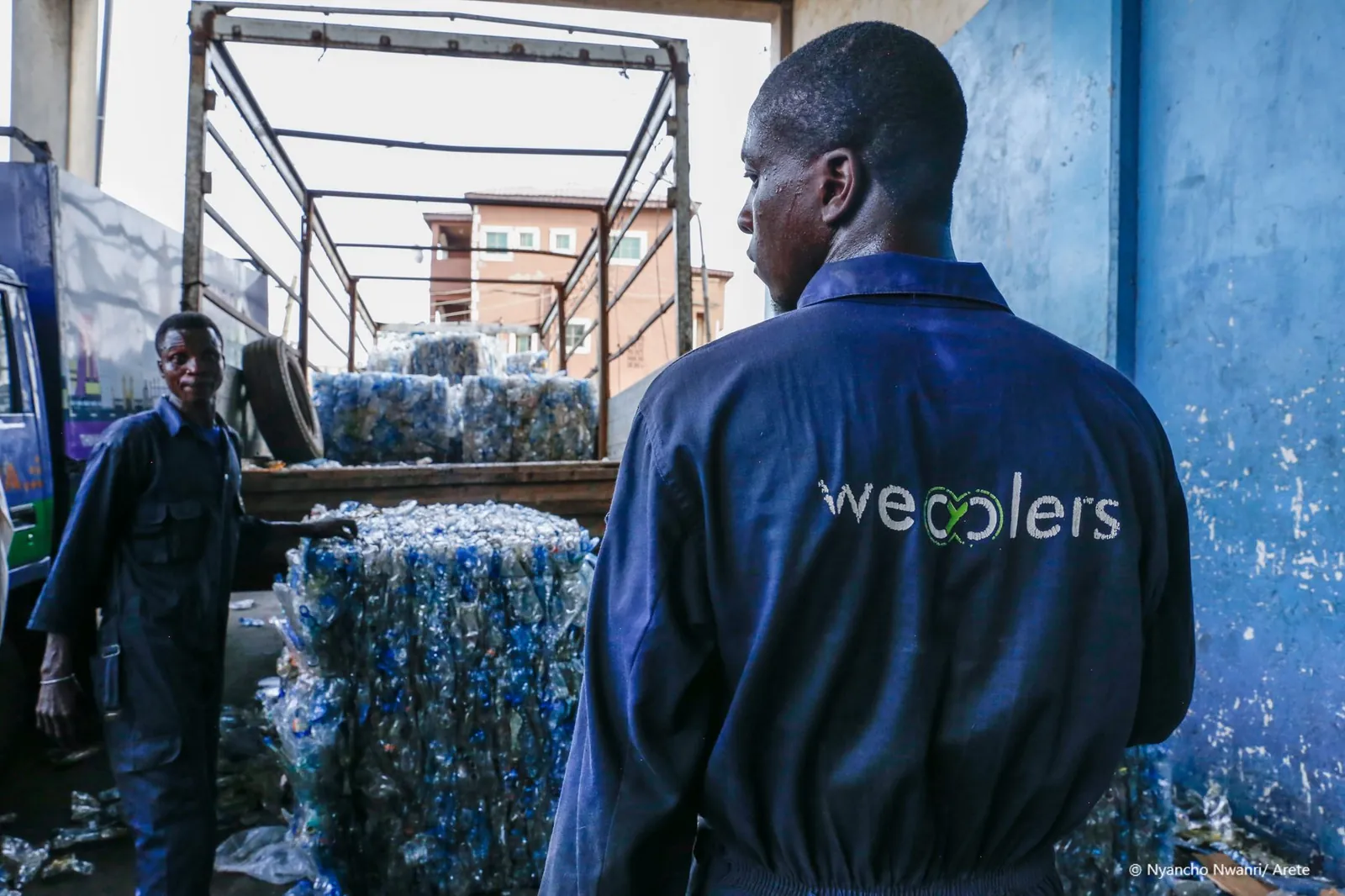
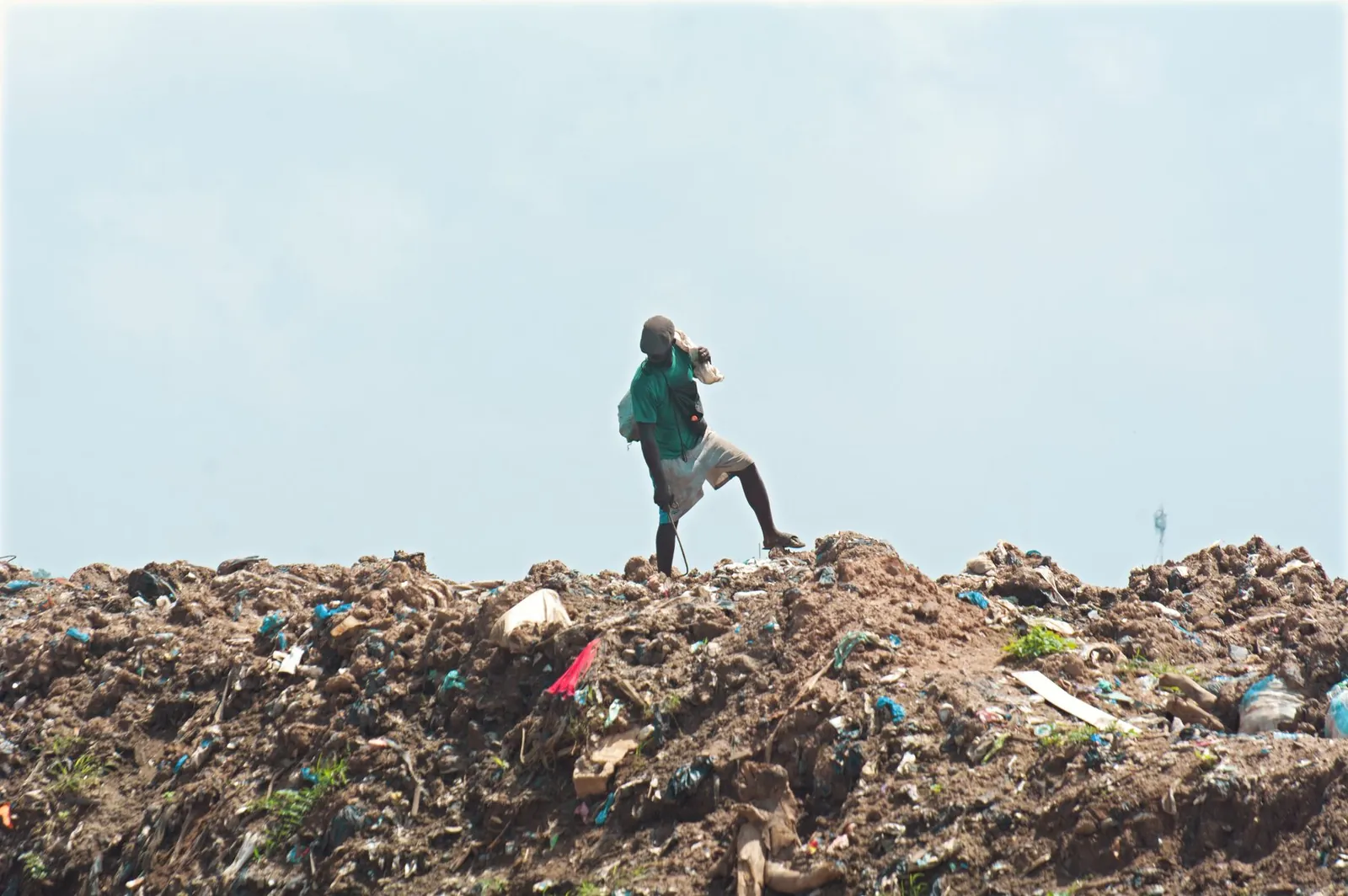
Designed to intercept plastic before it reaches rivers, beaches and the ocean.
- Plastic removed from nature
- Cleaner rivers
- Cleaner beaches
- Reduced ocean pollution
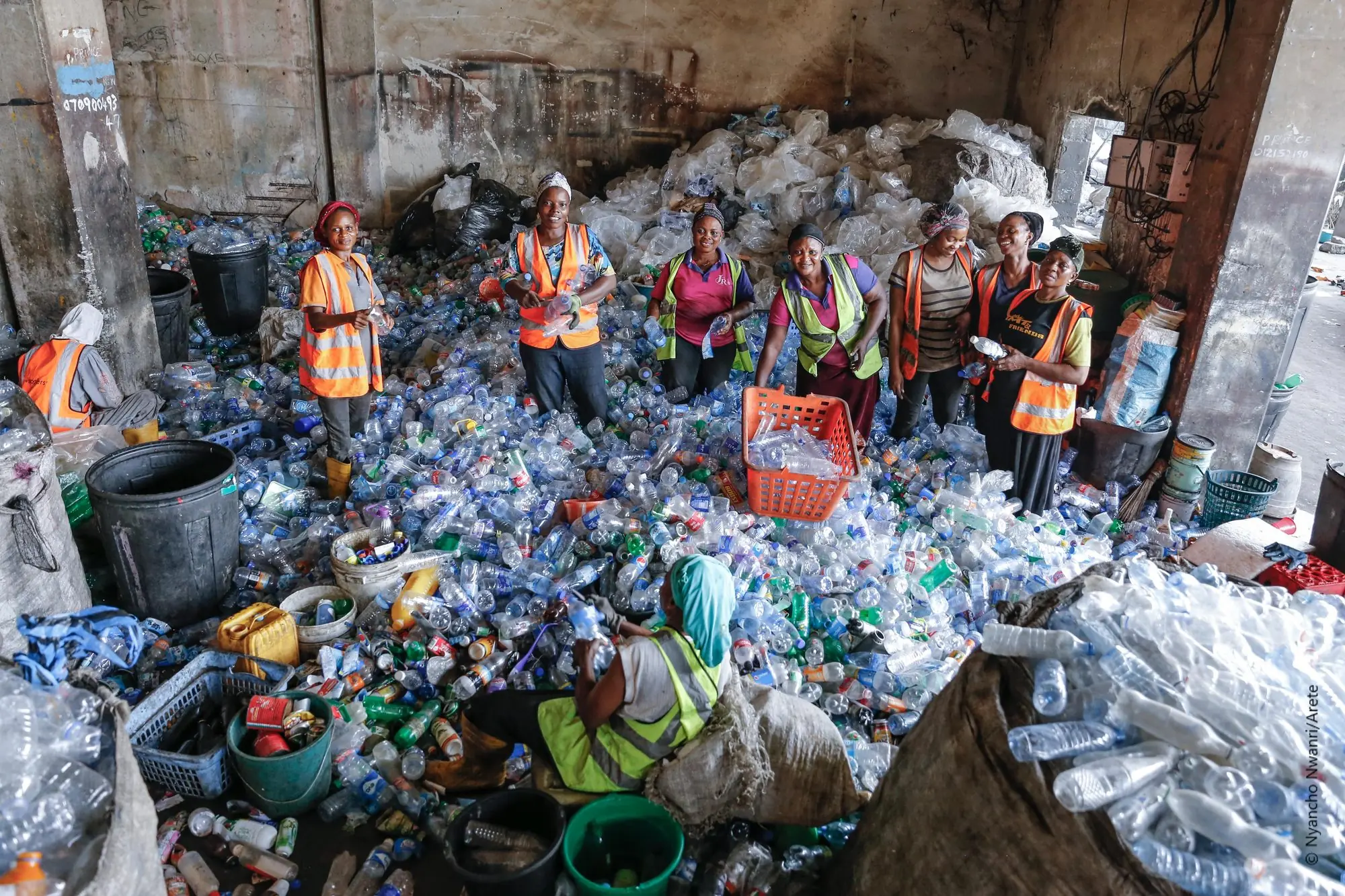
AfriloopX is building the collection and recovery networks Africa's circular economy is missing — so plastic waste stops reaching rivers and coastlines, and starts paying wages to the youth and women who recover it.
Why now
Uncollected plastic accumulates in rivers, drains and coastlines — material that still holds full economic value.
Millions of tons of plastic pollute cities, rivers and coastlines every year. Many communities have no formal collection system, while youth and women remain locked out of the value chain. This is an environmental emergency — and an unclaimed economy.
Independent data from UNEP and the World Bank frames the opportunity we are built to capture.
AfriloopX designs integrated waste recovery models where environmental restoration and local income creation advance together — treating plastic as a resource, not a burden.
Every capability below is a building block of one operating system: community collection, local recovery, and traceable material flow — replicable hub by hub.
Community
Collection
Sorting
Recycling
Manufacturers
New Products
Closed loop — revenue, jobs and recycled material return to the same communities that collect the waste.
Our systems are designed so environmental restoration, economic opportunity and social progress advance together.
Designed to intercept plastic before it reaches rivers, beaches and the ocean.
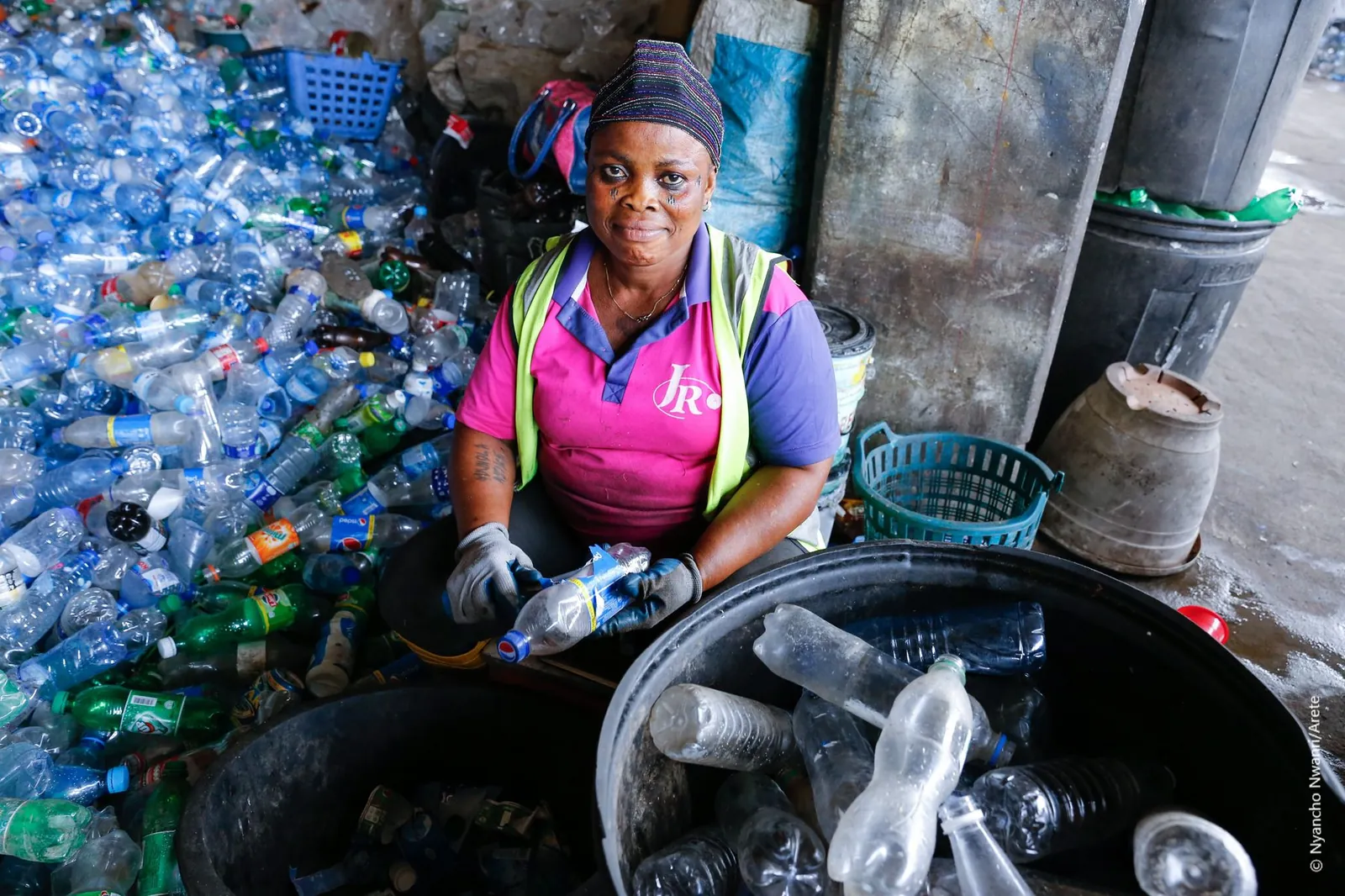
Recovery infrastructure that converts material value into local income.
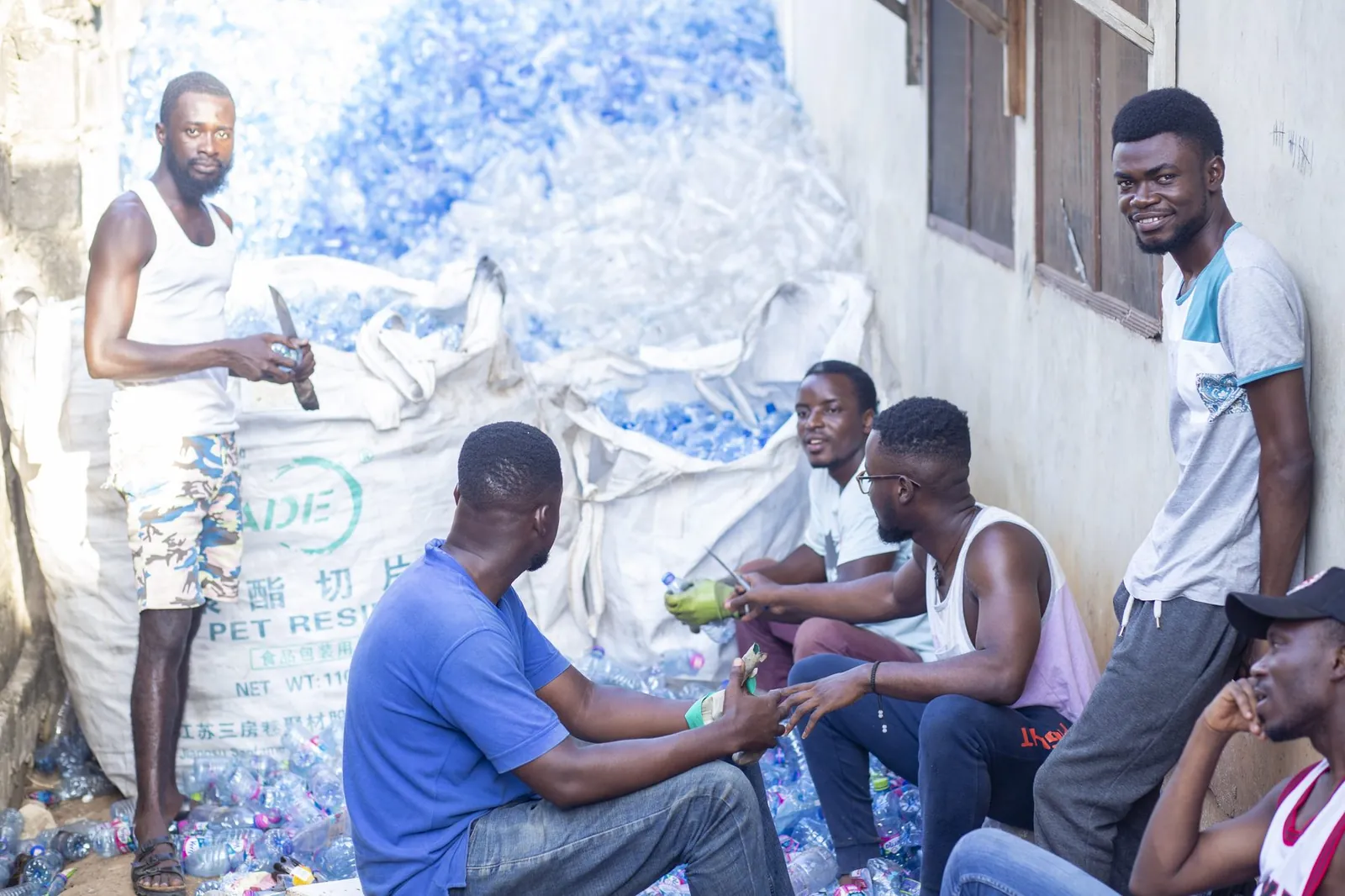
Community ownership, healthier neighbourhoods and long-term local capacity.
We are researching where a first pilot makes most sense. These are evaluation areas — not places where AfriloopX operates today.
The region we are evaluating most closely for a first community recovery pilot.
Research and evaluation areas · Not current operations
Every element of our model maps to a specific global goal — giving partners a shared reporting language from day one.
6 goals tracked from our first hub — reported in a format donors and ESG teams already use.
SDG 1
Collection income creates a first, reliable earning stream for low-income households.
SDG 8
Fairly paid, safe and registered work for youth, women and micro-enterprises.
SDG 11
Formal recovery systems where municipal collection does not reach.
SDG 12
Recovered plastic re-enters manufacturing instead of being landfilled or burned.
SDG 13
Recycled feedstock displaces virgin plastic and avoids open burning emissions.
SDG 14
Interception close to coastlines and waterways keeps plastic out of the ocean.
The development framework we are following to move from research toward implementation — deliberately, and in that order.
We study where plastic actually leaks, who already handles it, and what income it could support — using published data and direct community research.
Development framework · Not a description of current operations
Follow one bottle from the street to a new product — and see how value returns to the community that recovered it.
Bottles and packaging leak into streets, drains, rivers and coastlines.
Local collectors — primarily women and youth — intercept material at the source.
A neighbourhood hub receives, weighs and pays for what is brought in.
Material is separated by polymer type and cleaned to protect its value.
Clean plastic is shredded, washed and prepared for recycling.
Flakes and pellets become a traceable domestic raw material.
Manufacturers use recycled content instead of imported virgin plastic.
Revenue returns to the community that recovered the material, and the loop repeats.
Conceptual model of the system we are building · Not existing AfriloopX facilities
AfriloopX is currently focused on research, stakeholder engagement, partnership development, and designing its first scalable pilot model. We are not yet collecting plastic.
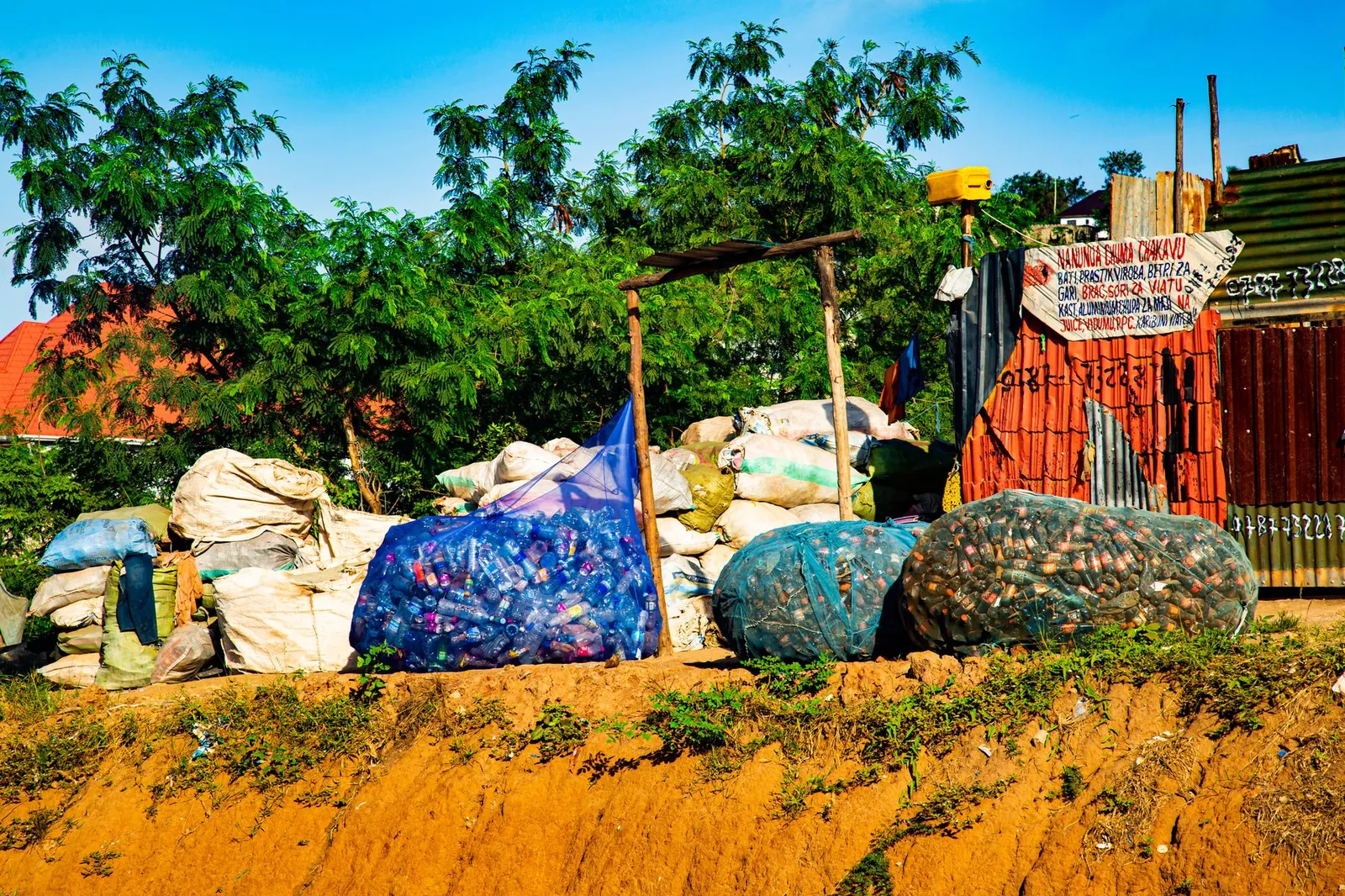
Next milestone
First pilot hub · 2026
We are exploring the digital layer that would turn a community recovery network into a transparent, optimisable system.
Data
Waste mapping, collection records, material weights.
Intelligence
Pattern analysis that shows where recovery is viable.
Better decisions
Smarter routes, hub siting and pricing.
Greater impact
More material recovered per shilling invested.
What we are exploring
We are researching how data, artificial intelligence and digital tools could eventually support the operations below. None of these systems are deployed today.
Forward-looking · Under exploration
Why AfriloopX
Conventional waste programmes stop at collection. We are designing the full loop — with data, livelihoods and scalability built in.
4
Loop stages designed
3
Focus regions
Impact data
Measured from day one

Founder
Hicham Oukayou
Founder & Project Director
After years working in logistics and international business, I recognized that Africa's growing plastic crisis represented not only an environmental challenge but also one of the continent's greatest untapped economic opportunities. AfriloopX was created to develop scalable systems that convert plastic waste into sustainable livelihoods while supporting cleaner communities and stronger local economies.
Hicham Oukayou · Founder & Project Director
Collaboration
We are actively seeking institutions that want to co-design circular infrastructure in Africa from the ground up.
Co-design a pilot
Shape hub locations, collection models and community terms with us.
Fund the foundation phase
Grant, catalytic or blended capital for feasibility and first hubs.
Offtake & data
Recycled material supply agreements and verified impact reporting.
Organisation types
10Open to bilateral agencies, embassies and private operators — early partners help set the standards we build on.
Aspirational goals that guide our system design — not promises. They describe the scale of infrastructure Africa's plastic challenge demands.
500 communities engaged
50,000 livelihoods supported
Millions of kilograms of plastic recovered
Regional recycling infrastructure
Verified environmental impact reporting
Digital collection platform
Carbon and ESG reporting capabilities
Whether you're an investor, NGO, municipality, corporate partner or environmental organization, we'd love to explore opportunities to collaborate.